ServicesRoof Replacement
Roof Replacement in Cold Spring, With the Full Scope on Paper
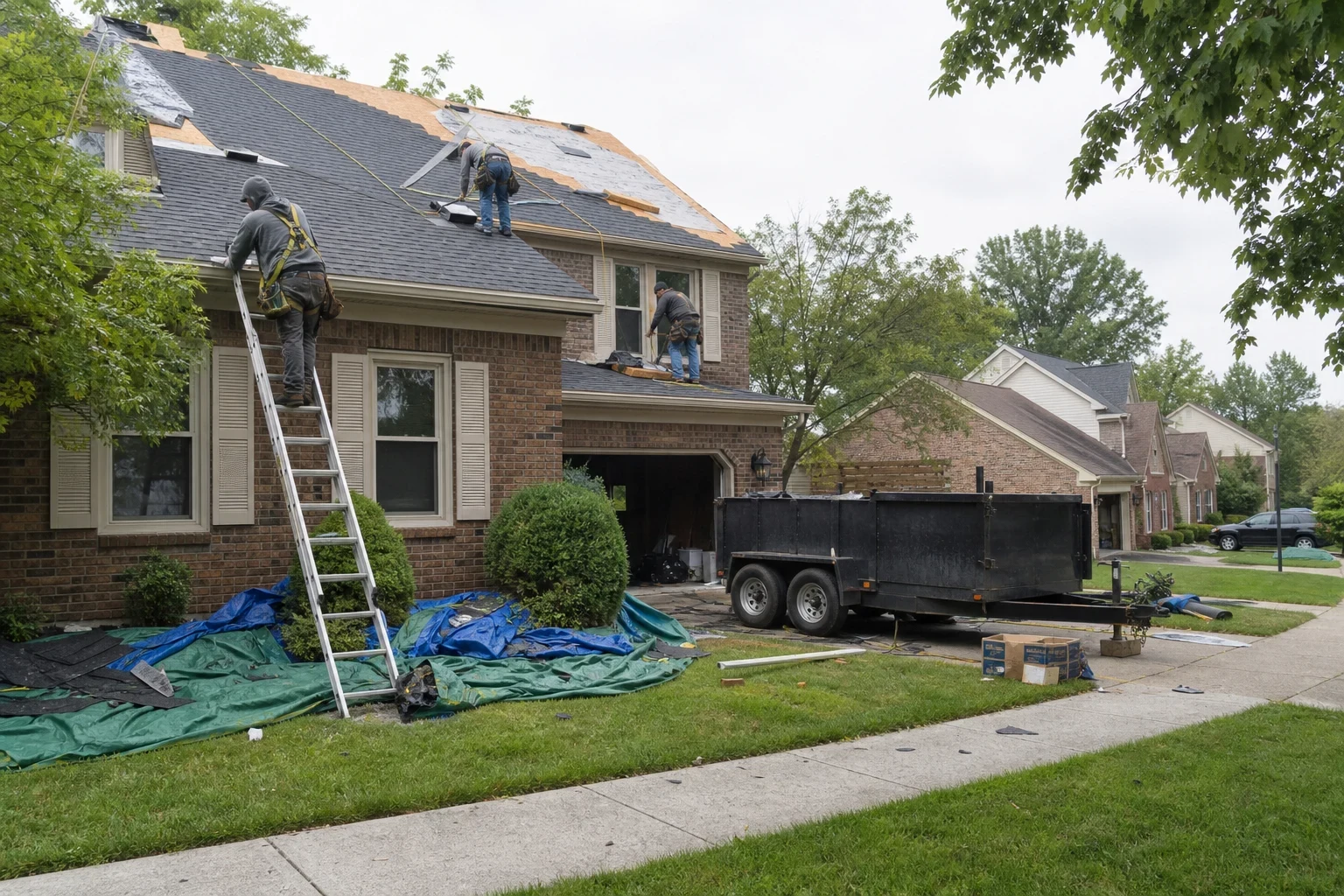
If your shingles are worn past saving, we rebuild the roof from the deck up: tear-off, decking repairs, underlayment, flashing, ventilation and shingles. The scope and every pricing factor are written down before we schedule anything, so the final bill matches what you agreed to.
When a new roof is the right call
Not every leak means a new roof. If the trouble sits in one valley or around one chimney, roof repair is usually the better spend, and we will tell you so. Replacement makes sense when the shingles themselves are worn out: granules gone, mats brittle, and patches failing faster than they can be added.
Winter is hard on a tired roof. Water that slips under a lifted shingle freezes overnight, expands, and opens the gap a little wider with each cycle. A roof that looked fine in the fall can be wetting the decking by spring, and replacing it before then keeps the damage from reaching your ceilings.
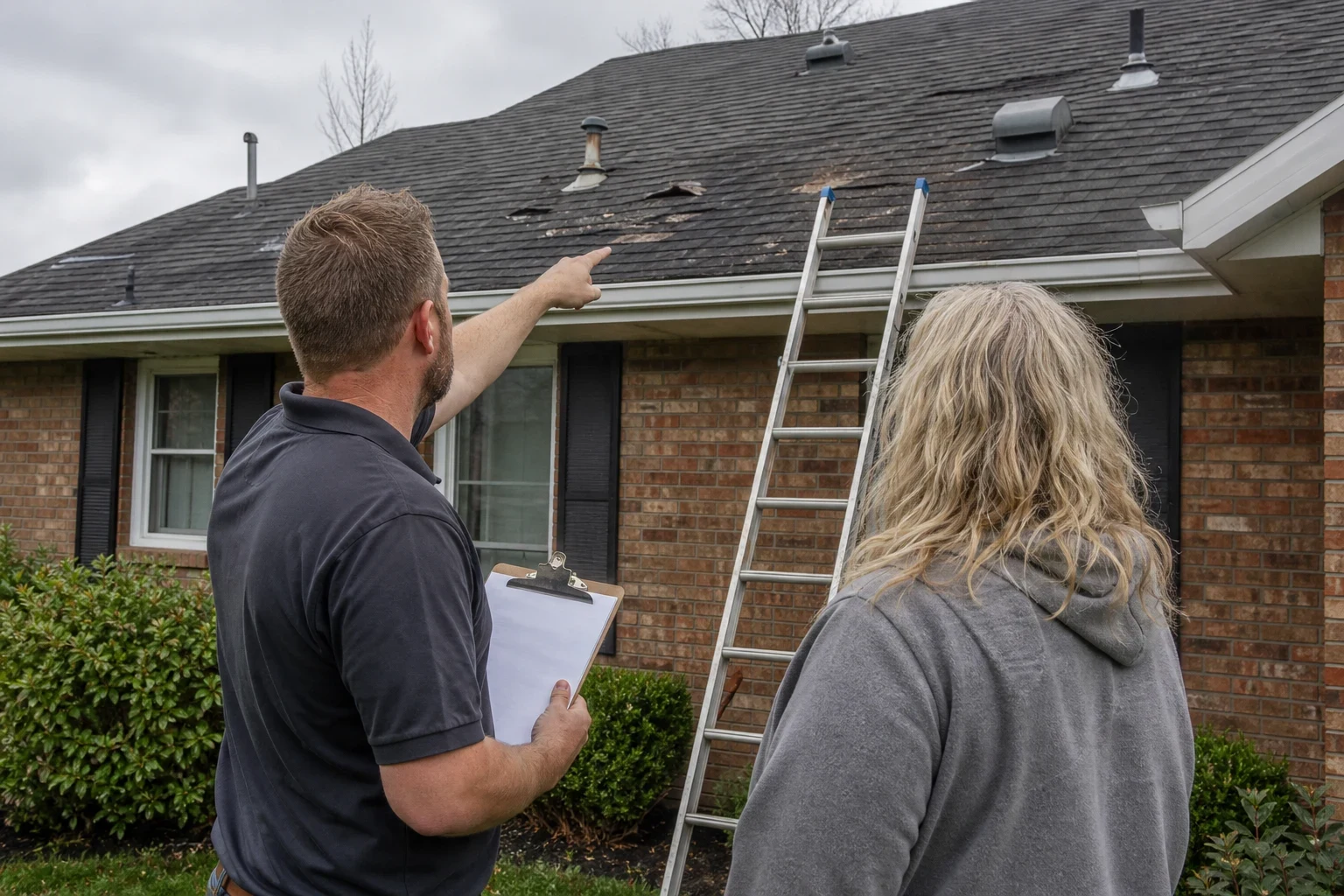
Before we price anything, we walk the roof, check the attic, and write down what we found. Your estimate lists each part of the job and the items that could change the total, such as soft decking, so nothing gets added later without your say.
What your new roof includes
- Tear-off to bare wood
- We remove the old shingles and underlayment down to the deck instead of layering over them. That lets us see and fix the sheathing, and the new roof does not inherit old problems.
- Decking repair at a stated rate
- Soft or delaminated sheathing gets replaced. Your written estimate shows the per-sheet price, so if we find more than expected, you already know what it costs.
- Ice and water barrier plus synthetic underlayment
- Self-adhering membrane goes along the eaves and in the valleys, where ice dams and heavy runoff push water uphill. Synthetic underlayment covers the rest of the deck and lies flat under the shingles.
- New flashing at every penetration
- Step flashing, chimney flashing and pipe boots are replaced, not reused. Most leaks on a new roof start at a penetration, so this is where we slow down.
- Balanced attic ventilation
- We check intake at the soffits and exhaust at the ridge, then correct the balance. A well-vented attic stays drier in winter and keeps shingles from baking in July.
- Cleanup and a labor warranty
- Magnetic sweeps of the yard and driveway each day, then a final walk-through with you. We are licensed and insured, and our work on your new roof carries a 10-year labor warranty.
Signs your roof needs replacing, not patching
Balding shingles
Granules collecting in the gutters and smooth, dark patches on the slopes mean the asphalt is exposed to sun. Shingles in this state crack and stop shedding water well.
Curling and cupping
Edges that lift or centers that sink show the shingles have lost their flexibility. Wind gets under them easily.
Damp or daylight in the attic
Light between boards, stained sheathing, or frost on nail tips in winter all point to moisture moving through the roof.
A sagging roofline
A dip along the ridge or between rafters can mean the decking has softened. That needs attention before another season of snow load.
The same repairs, again
If you have patched the roof two or three times in a few years, that money is better put toward a new one.
How a replacement runs, start to finish
- 1
Inspection and written quote
We walk each slope, look at the underside of the deck from the attic, and photograph what we see. Your estimate then breaks out materials, shingle color, ventilation work and the per-sheet decking rate. You make the call with the whole picture on paper.
- 2
Permit and scheduling
We pull the permit where your city requires one, order materials, and choose a dry stretch on the forecast. You will know the start date ahead of time.
- 3
Protecting your home
Tarps go over shrubs and flower beds, and we keep debris away from siding and windows. We park so your driveway stays usable where we can.
- 4
Tear-off and build
Most homes are stripped, dried-in and shingled in one or two working days. The deck is never left open overnight without a cover.
- 5
Final walk-through
A magnet sweep picks up stray nails, the old material leaves with us, and we tour the finished roof together, pointing out the new flashing and vents.
What sets the cost of your new roof
We measure and price each roof on its own. The written estimate names every factor behind the total, so you can see where the number comes from. If something hidden could change it, the estimate spells out how.
- Size and pitch
- Total roof area and steepness drive labor and material. Steep slopes need extra safety setup and slower, more careful work.
- Layers to remove
- A second layer of old shingles adds tear-off time and disposal weight.
- Decking condition
- Rotten sheathing is the main unknown on any replacement. We price it per sheet in writing so it never arrives as a surprise.
- Shingle line and accents
- Architectural shingles, upgraded lines and details like metal valleys each carry a different cost and lifespan. We lay the options side by side.
- Roof shape
- Dormers, skylights, chimneys and extra valleys add flashing work and time.
Roof replacement questions
Something not covered here? (859) 765-6816
How long does a roof replacement take?
Most single-family roofs take one to two working days once materials arrive. Larger or steeper roofs, or heavy decking repair, can add a day. Weather can move the start date, and we will let you know as soon as it does.
Can you put new shingles over my old ones?
We don't recommend it. A second layer hides the decking, adds weight, and can shorten the life of the new shingles. A full tear-off lets us fix what is underneath and gives the new roof a sound base.
Will my insurance pay for a new roof?
Policies usually cover sudden damage like wind or hail, not normal wear. If you think a storm played a part, we can photograph and document what we find, and our Storm Damage Repair page explains how that works. The adjuster decides what is covered.
What warranty comes with a new roof?
Our workmanship is backed by a 10-year labor warranty. Shingle makers offer their own product warranties, and we will explain the one that applies to the line you choose.
Do I have to stay at the house while you work?
No. It helps to see you on the first morning to confirm the shingle color and any details, and again at the end for the walk-through. In between, the tear-off is loud, so leave cars on the street if possible and take mirrors or framed pictures down from upstairs walls before the hammering starts.
Should I replace my gutters at the same time?
If they are sagging, pulling away, or too small for the roof, doing them together saves a second setup. We note their condition in your quote, and you decide. Our Gutters page has more detail.
Start with a careful look at your roof
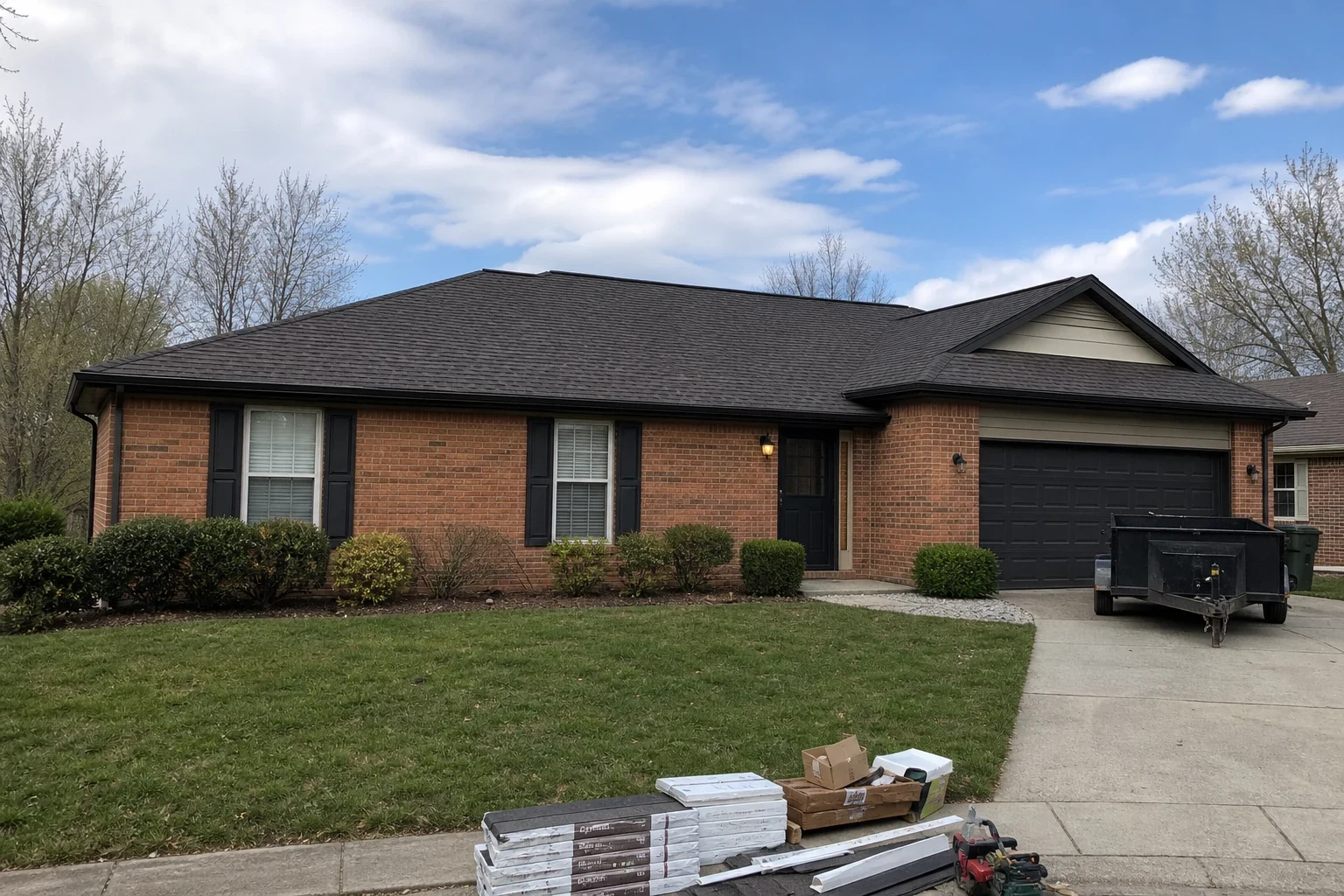
We will inspect your roof, show you the photos, and explain in writing whether replacement is needed and what it would include. If a repair will do, you will hear that too.